Quality mindset
Professional Korean nail brands often present products as part of a complete salon service: colour, finish, base, top and application workflow.
Korean gel polish · European salon perspective
Explore Korean gel polish and professional Korean nail products through a modern, salon-focused guide to colour aesthetics, product detail, nail-art innovation and EU market requirements.
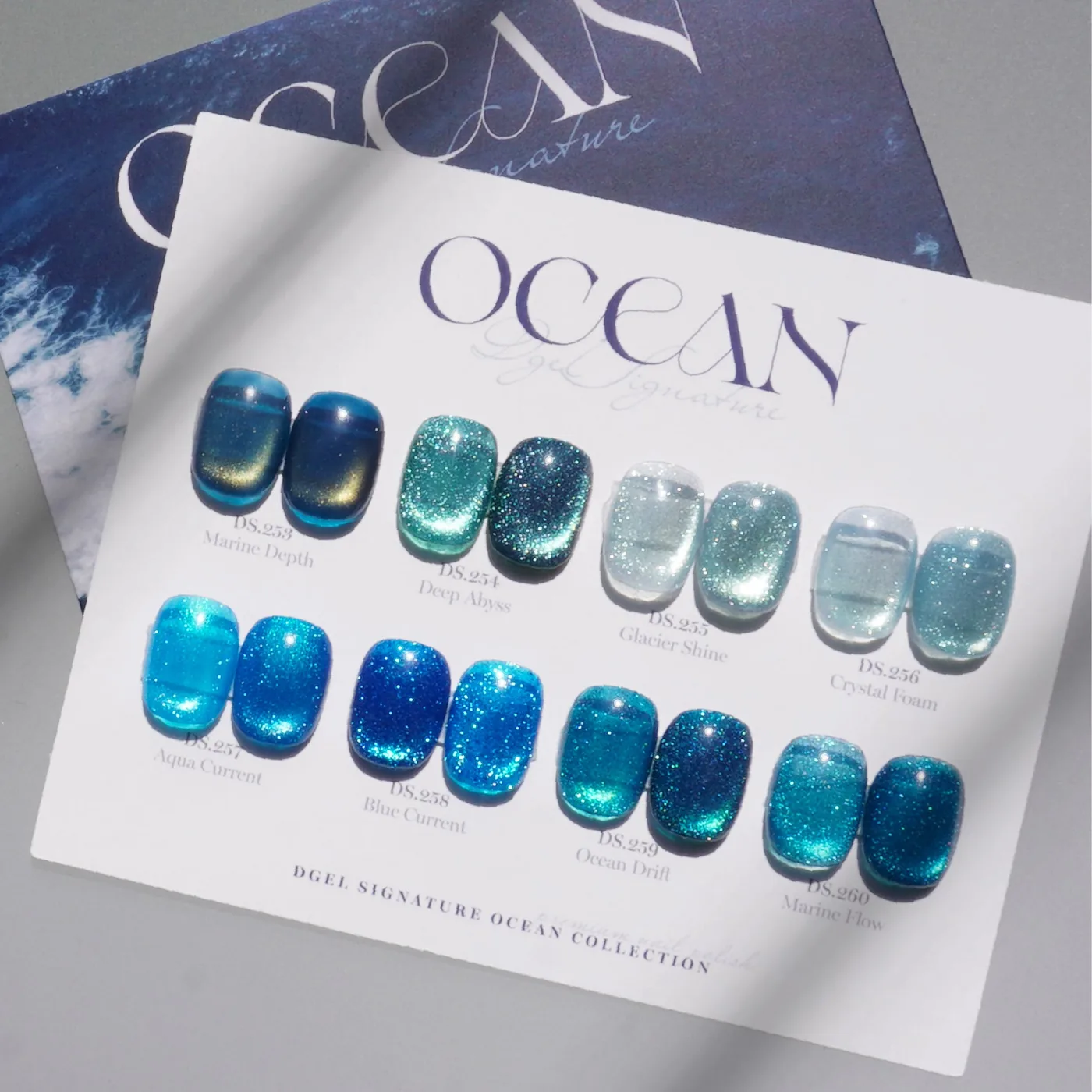
Why Korean nail products?
Professional Korean nail brands often present products as part of a complete salon service: colour, finish, base, top and application workflow.
From syrup gels to magnetic particles, chrome effects and texture gels, the category is strongly shaped by Korean salon trend cycles.
Soft nudes, seasonal palettes, translucent layering and refined glitter effects are central to the Korean nail aesthetic.
Fine brushes, raised details, parts, powders and finish effects help technicians build complete visual concepts.
Featured Korean nail brands
Start with the brands European salons most often discover through Korean nail trends and Pretty Yeppuda collections.
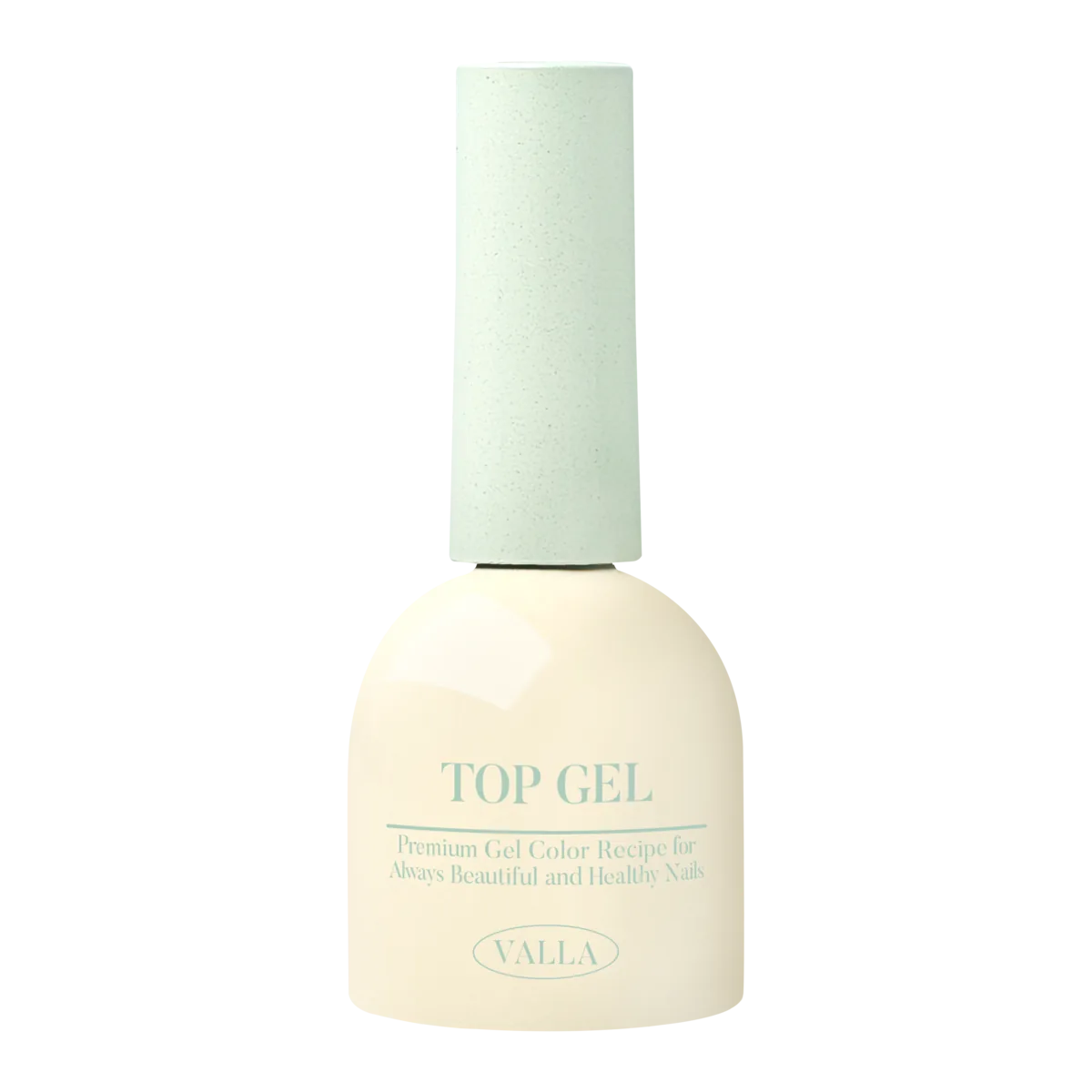
Korean nail brand
Refined colour collections, syrup tones, bases and glossy salon finishes.
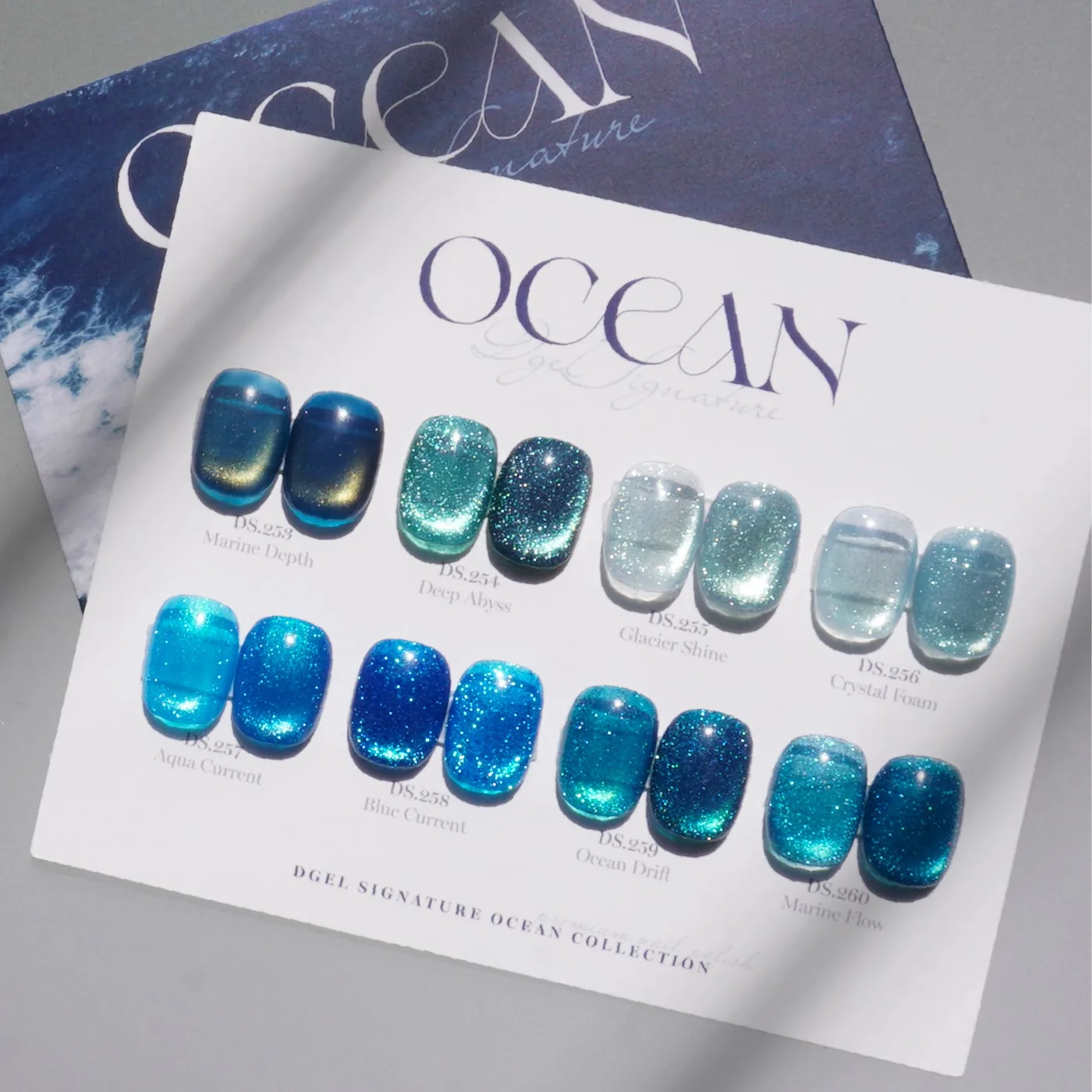
Korean nail brand
Professional Korean gel brand with broad colour variety and trend-led collections.
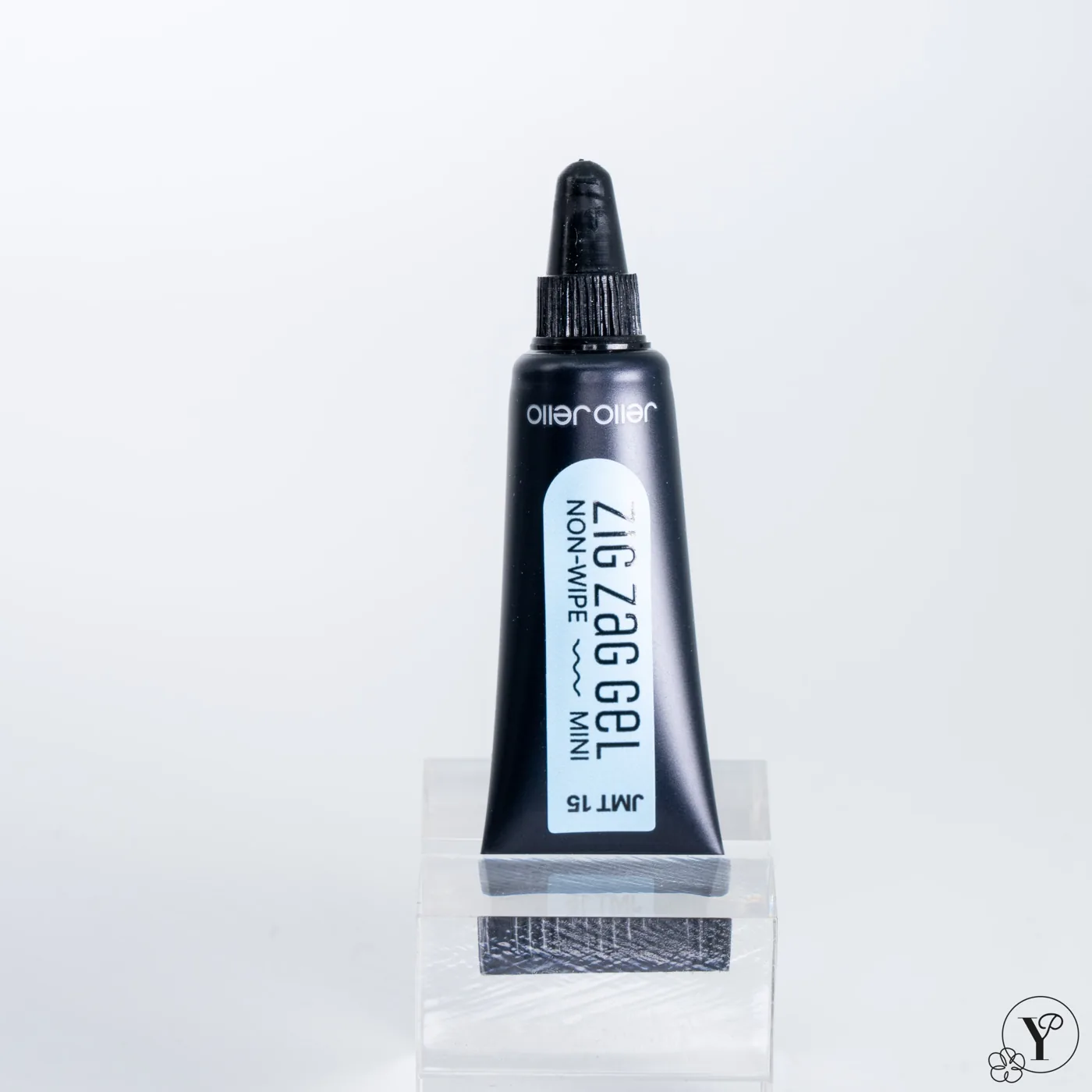
Korean nail brand
Creative Korean nail products including peel-off concepts, tube gels and raised nail-art effects.

Korean nail brand
Colour-focused Korean gel collections and nail-art products for salon design work.
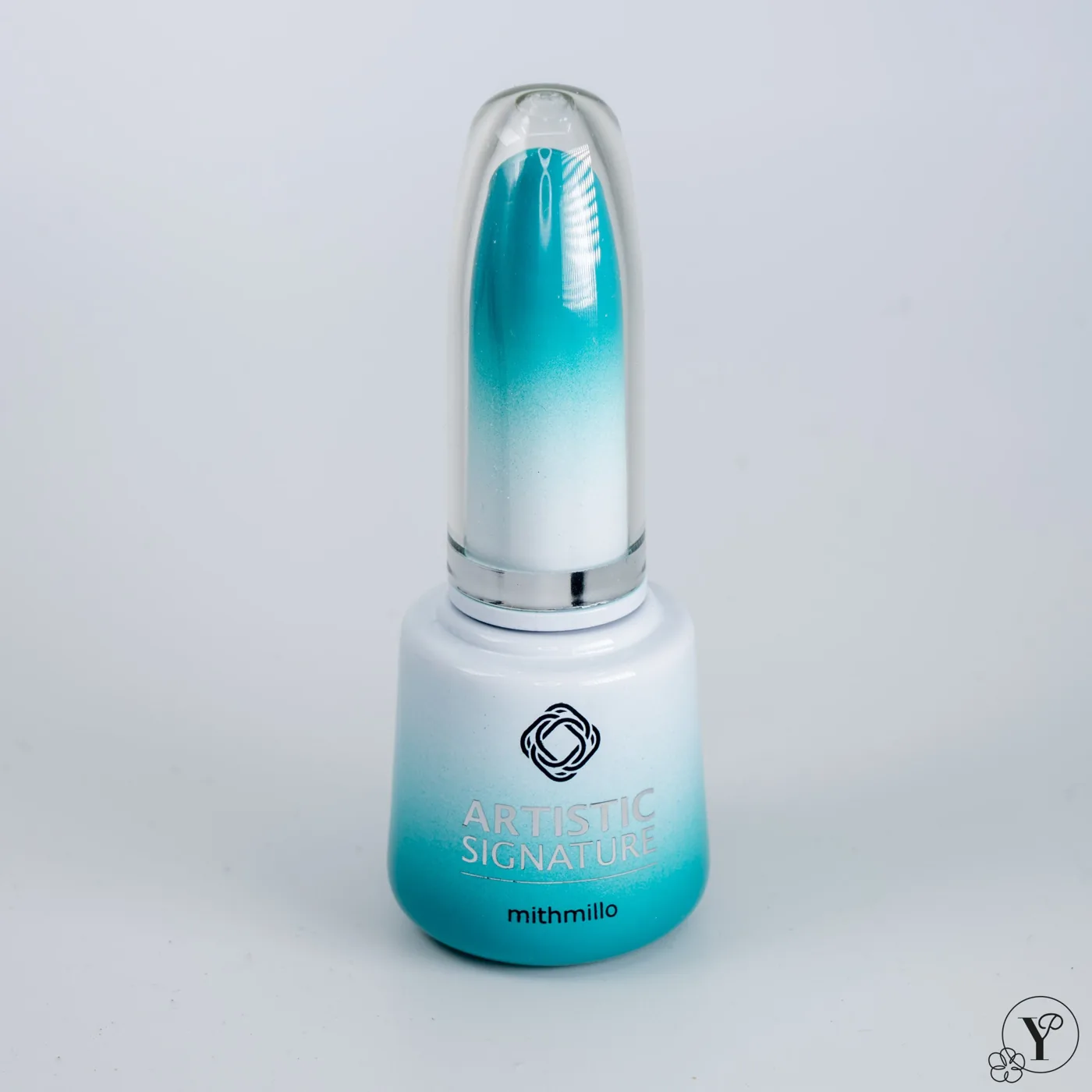
Korean nail brand
Refined gel colours, base/top products and clean modern Korean salon aesthetics.
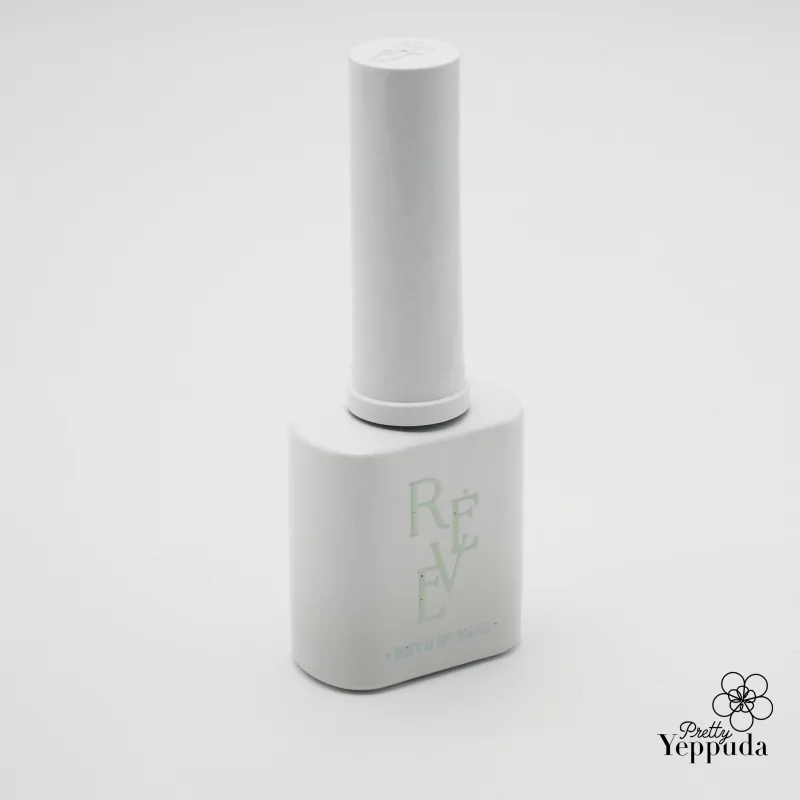
Korean nail brand
Trend-led Korean colours, magnetic effects and soft visual finishes.
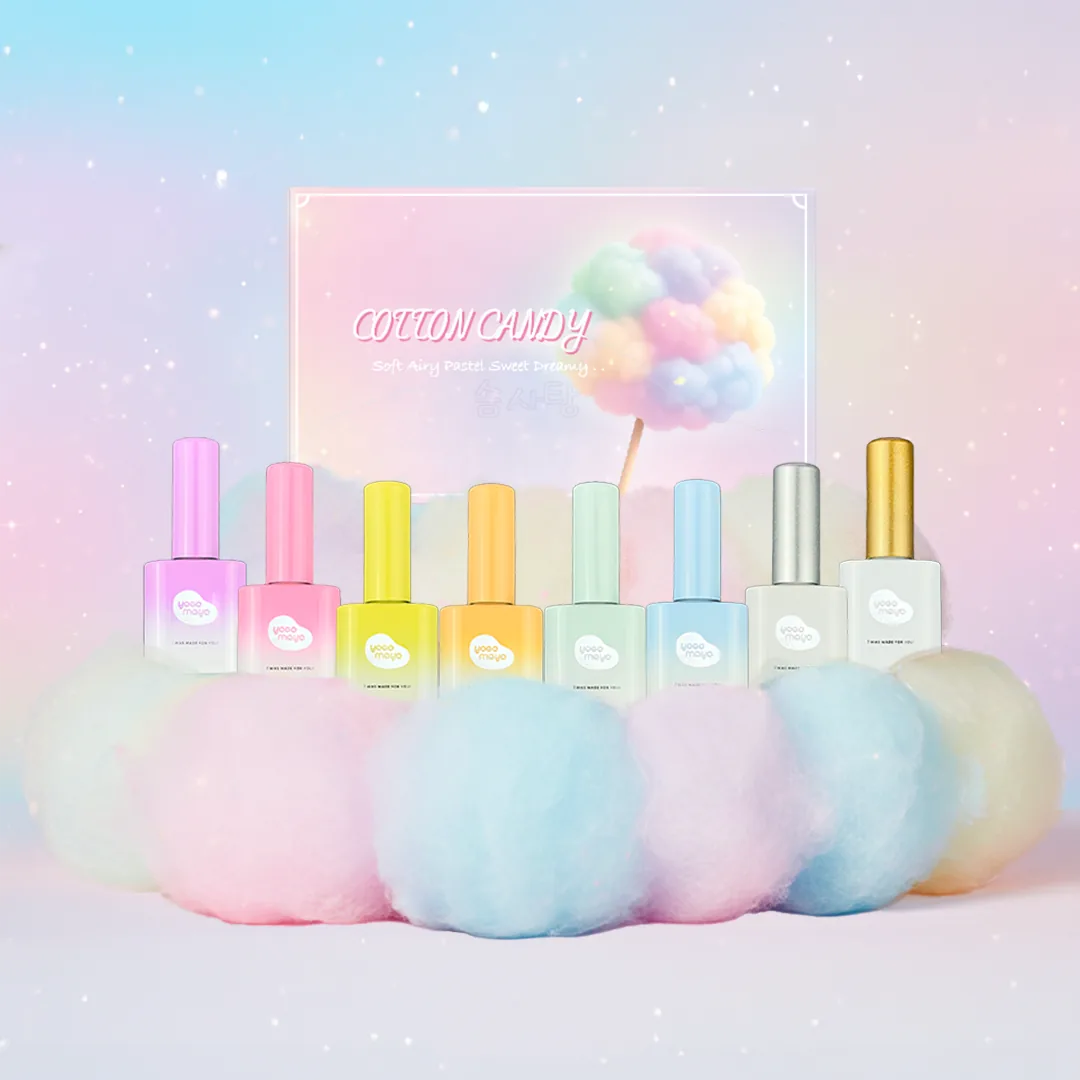
Korean nail brand
Playful but professional Korean colour and nail-art inspiration.
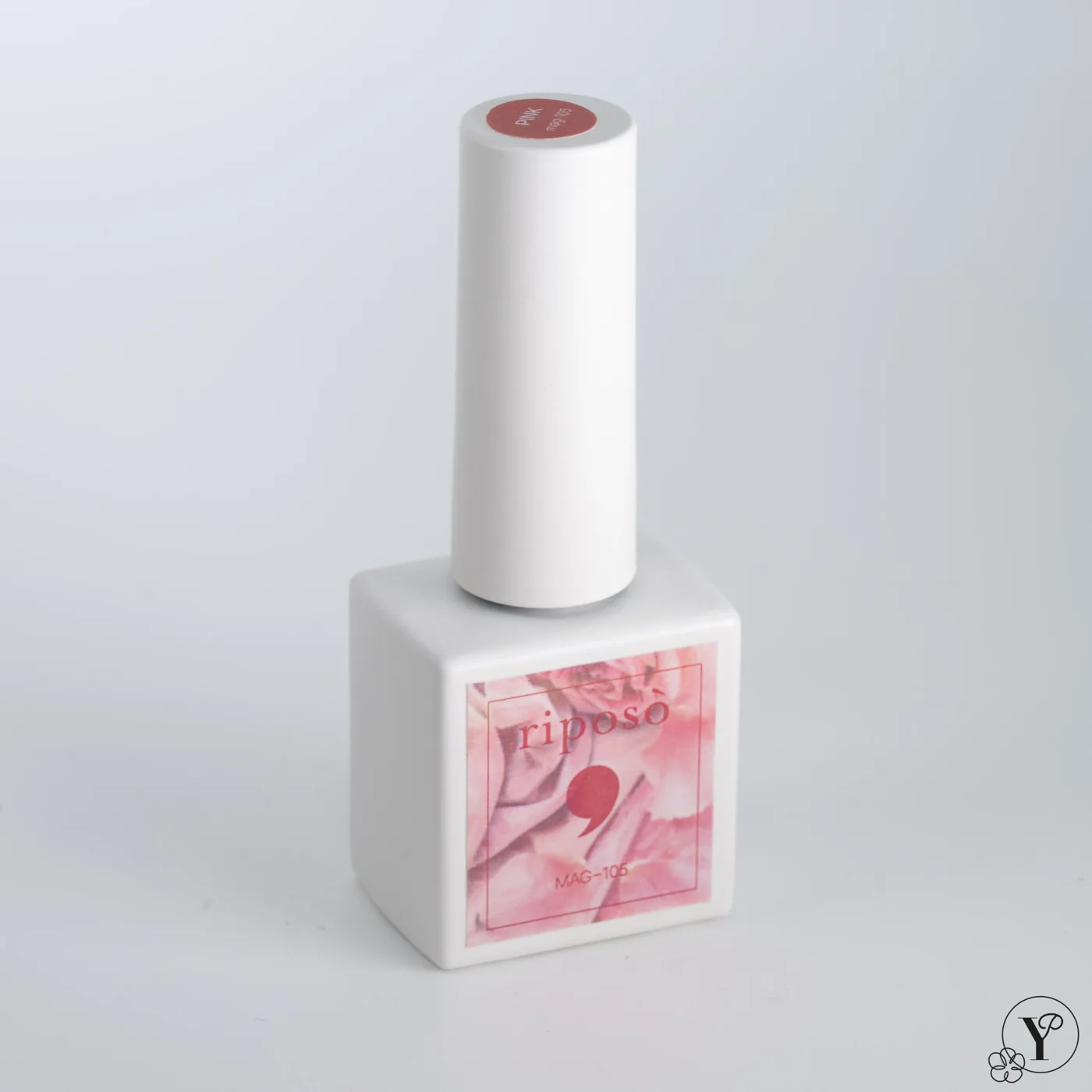
Korean nail brand
Elegant salon-focused Korean products with subtle, wearable colour direction.

Korean nail brand
Technical Korean professional gel systems with a strong salon reputation.
Product categories
Korean gel colour ranges often focus on curated shade stories, seasonal moods and salon-friendly services.
Base, builder and top products support service structure, finish control and professional application routines.
Cat-eye and magnetic effects create dimensional lines, velvet looks and reflective movement.
Syrup and jelly gels are known for translucent layering, soft depth and subtle Korean colour aesthetics.
Fine glitter, aurora, pearl and reflective particles add light play without relying on heavy decoration.
Raised, sculpted and texture gels support modern Korean nail-art details and tactile accents.
Stickers, powders, foils, charms and detail tools help technicians build complete nail-art concepts.
Brushes, files, lamps, bits and prep tools support repeatable professional nail services.
EU market readiness
Cosmetic nail products placed on the EU market must be reviewed for formula, label, Responsible Person, Product Information File, Cosmetic Product Safety Report, CPNP notification, ingredient restrictions and traceability. Korean products can be excellent, but EU compliance must be actively managed before market placement.
Latest Korean salon trends